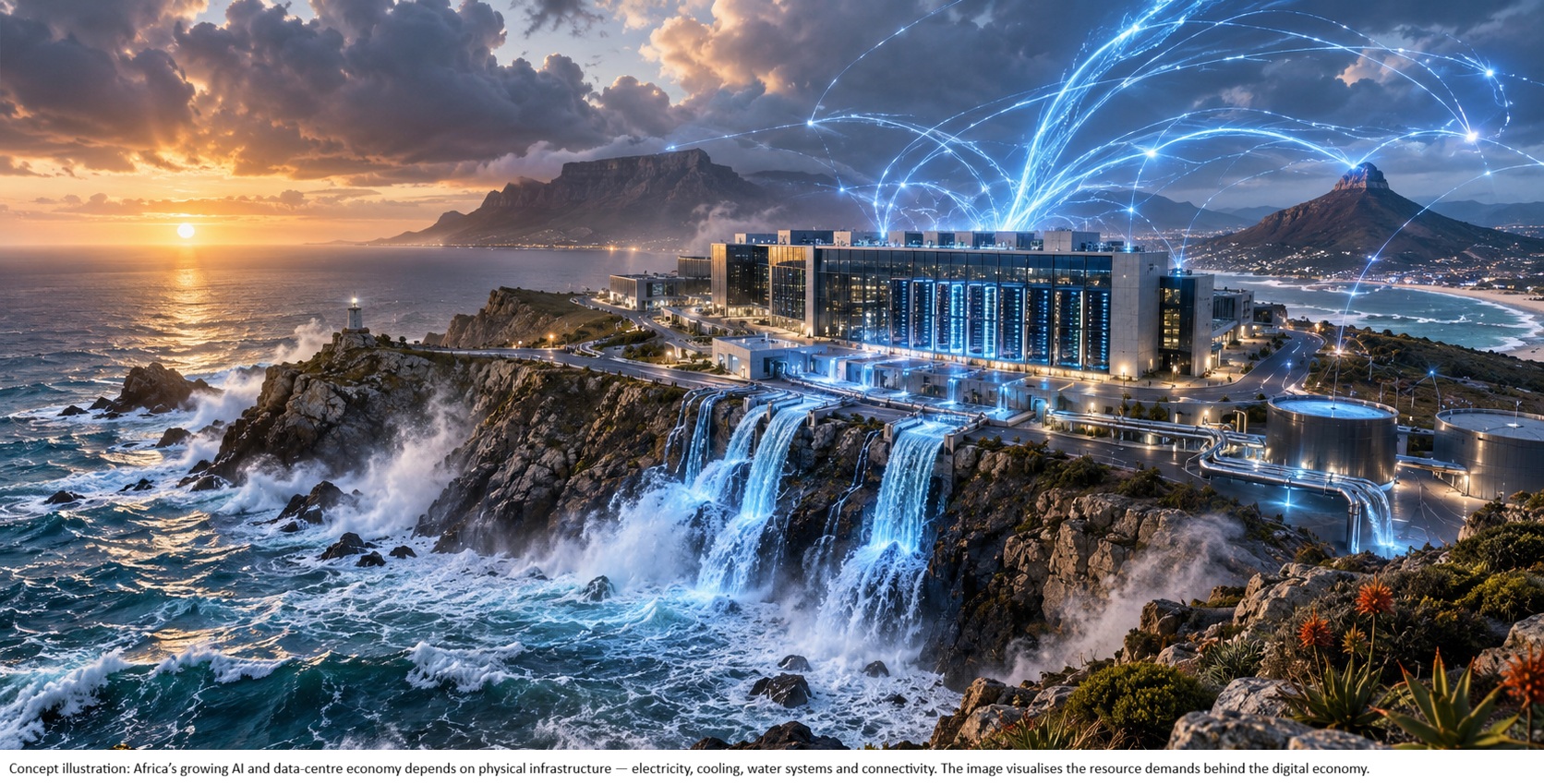
Africa Wants the AI Economy — But Who Pays for the Water and Power?
🌍 You’re reading Africa’s innovation network
EcoTech is a growing space for farmers, innovators, scientists, investors and contributors building practical sustainability solutions.
Africa's artificial-intelligence ambitions are often discussed in the language of algorithms, skills, innovation, startups and investment.
But behind every AI model is something far less abstract.
A building.
Inside that building are thousands of processors running continuously. They need electricity. They produce heat. They need cooling. They depend on fibre, land, backup systems and reliable infrastructure.
And increasingly, that physical reality is forcing Africa to confront a difficult question:
If the continent wants to participate in the AI economy, who will provide the power, water and infrastructure required to make it possible?
South Africa is becoming one of the first African countries where that question can no longer be ignored.
The country has emerged as the continent's dominant data-centre market, hosting an estimated 70% of Africa's existing data-centre capacity, according to reporting on the growing sector. Global technology and infrastructure companies are continuing to expand their presence as demand for cloud services, digital platforms and artificial-intelligence computing increases.
That is an important economic achievement.
But it is also beginning to generate a much larger public conversation.
The digital economy has a physical footprint
Civil-society organisations in South Africa have raised concerns about the electricity, water and land requirements of rapidly expanding data-centre infrastructure.
The South African Human Rights Commission has been examining the human-rights implications of the country's growing digital-infrastructure footprint, including questions around resource consumption, environmental impact, public participation and regulatory oversight. More than 250 submissions have reportedly been received in relation to the broader inquiry.
Those concerns arrive in a country that knows what infrastructure scarcity feels like.
South Africans have lived through prolonged electricity shortages.
Cape Town came close to a severe municipal water crisis during the 2017–2018 "Day Zero" period.
Parts of Gauteng continue to experience pressure on water infrastructure and municipal service delivery.
Against that background, the arrival of large new industrial users of electricity and other resources naturally raises questions.
But the answer cannot simply be to reject digital infrastructure.
That would create another problem entirely.
Africa cannot afford to sit outside the compute economy
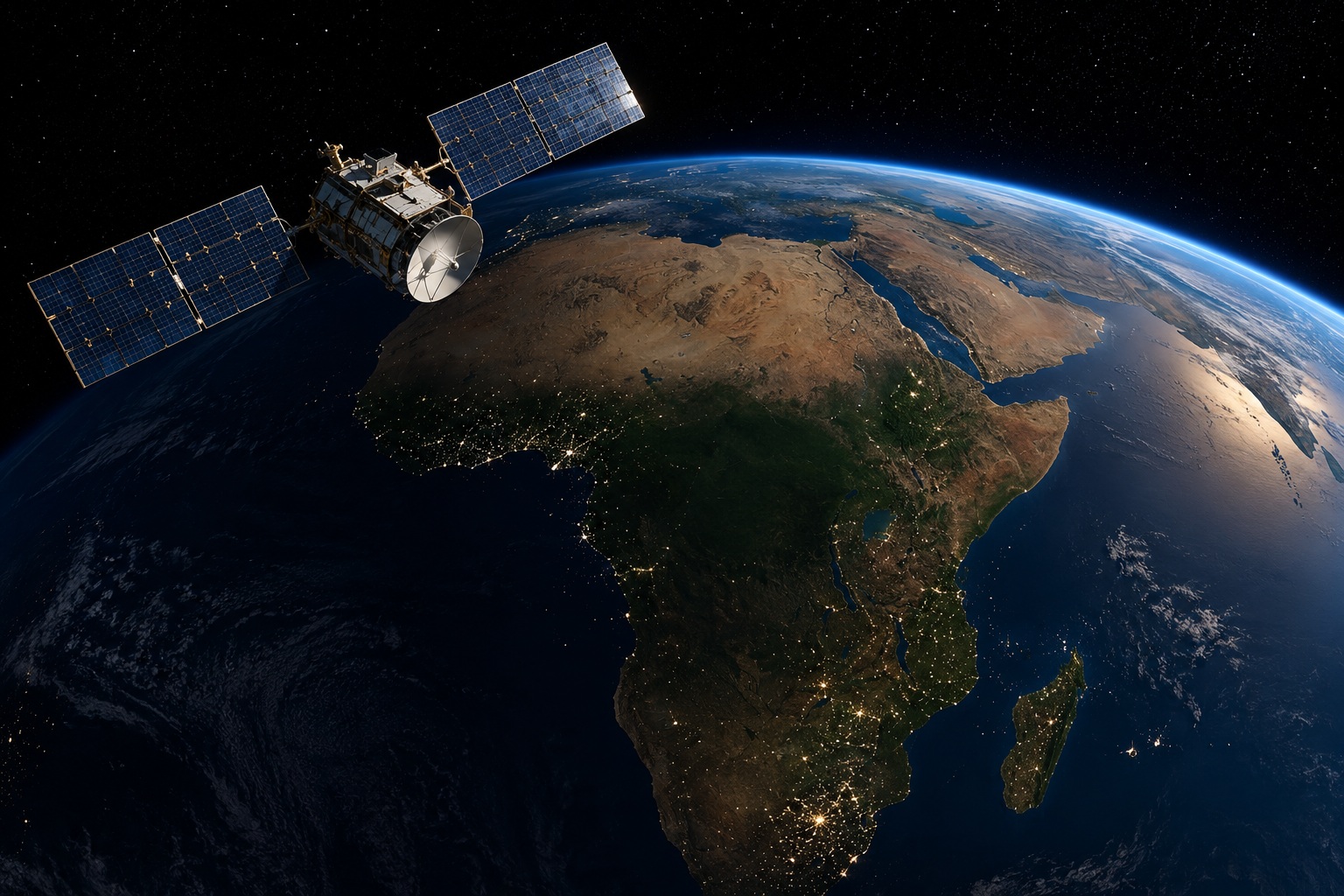
Despite South Africa's dominance within the African market, Africa itself remains dramatically underrepresented in global data-centre infrastructure.
The African Data Centres Association's 2026 economic report estimates that the continent accounts for only around 0.6% of global data-centre capacity.
Active African capacity is estimated at roughly 360 megawatts, with additional capacity under construction and planned. Yet even substantial growth may merely allow Africa to maintain its tiny share of a rapidly expanding global market rather than meaningfully close the gap.
That matters.
Data centres are no longer simply places where websites are hosted.
They increasingly underpin:
cloud computing,
banking,
digital payments,
government systems,
research,
health information,
industrial automation,
telecommunications,
cybersecurity,
and artificial intelligence.
Without local and regional computing infrastructure, African economies remain dependent on infrastructure located elsewhere.
That can affect cost, latency, resilience, data sovereignty and ultimately Africa's ability to build its own digital industries.
So Africa faces two risks.
One is building digital infrastructure without adequately considering its resource footprint.
The other is failing to build it at all.
Neither is acceptable.
The new unit of AI may be the megawatt
Artificial intelligence is changing the economics of the data centre.
AI workloads can demand significantly more computing power than many conventional digital services.
That means electricity availability is becoming one of the most important constraints on future AI infrastructure.
A 2026 study cited by South African technology publication ITWeb projects installed IT-load capacity in South Africa rising from around 435MW in 2024 to 829MW by 2029.
That projected increase alone is roughly comparable to the generating capacity of one of the reactors at South Africa's Koeberg nuclear power station.
The challenge is therefore no longer theoretical.
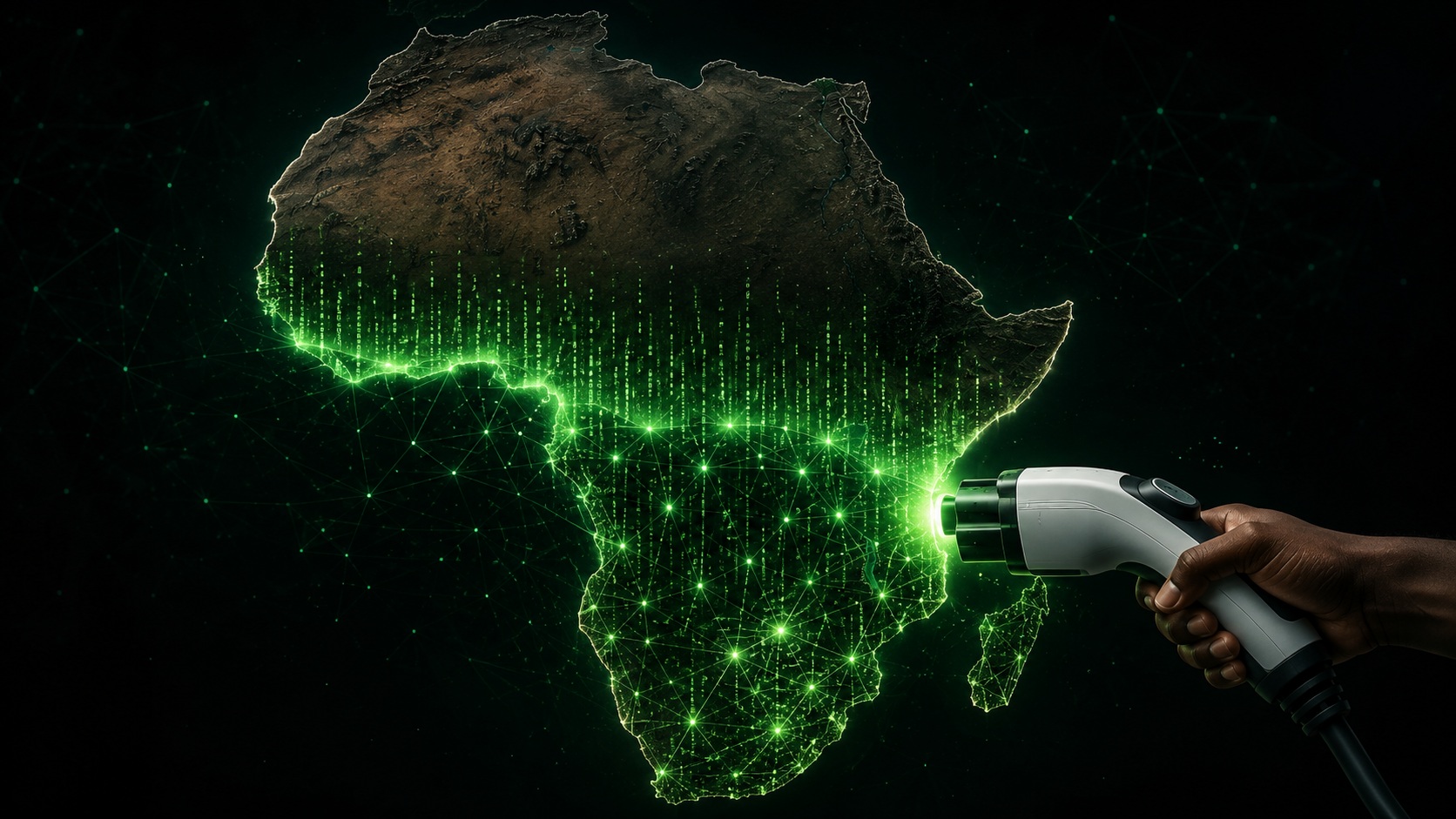
The global AI race is increasingly becoming a race for electricity.
And that could change the development conversation across Africa.
Countries able to provide reliable, affordable and increasingly renewable electricity may find themselves competing not only for factories and mines, but also for computing infrastructure.
Kenya's geothermal resources, for example, create a very different energy proposition from countries heavily dependent on unstable grids or imported fuels.
Other African states possess exceptional solar, hydro, wind or gas resources.
The strategic question becomes whether those resources can be converted into a broader African digital advantage.
Water needs a more precise conversation
Water is another issue attracting attention.
Some data-centre cooling technologies can require substantial quantities of water.
Others require very little.
African operators and engineering specialists have increasingly argued that modern closed-loop and air-cooled systems can dramatically reduce direct municipal water use.
Some South African facilities already use cooling systems designed to recycle water internally and minimise reliance on municipal supplies.
That distinction matters.
It would be misleading to assume that every data centre consumes water in exactly the same way.
But it would be equally unwise to conclude that water therefore does not matter.
Large developments still interact with surrounding infrastructure during construction and operation.
Pipelines, treatment systems, electricity generation, municipal capacity and local environmental conditions all form part of the wider resource equation.
The correct response is therefore not assumption.
It is measurement and transparency.
How much electricity will a facility use?
Where will that electricity come from?
How much water will be consumed?
What cooling technology will be used?
What happens during drought or grid stress?
Will renewable generation or storage be developed alongside the facility?
And what economic value will remain within the country hosting it?
Those are reasonable questions for governments, communities, developers and investors alike.
The real opportunity may be bigger than data centres
There is another way Africa could approach this debate.
Instead of viewing data centres purely as consumers of infrastructure, countries could require major digital developments to become catalysts for infrastructure investment.
A large computing facility requiring hundreds of megawatts creates powerful commercial incentives for new generation.
That could mean solar.
Wind.
Geothermal.
Battery storage.
Transmission infrastructure.
Private power agreements.
Wheeling arrangements.
More efficient cooling technology.
And potentially new investment in the grids surrounding major economic centres.
Industry participants have already argued that AI and data-centre expansion could accelerate investment in renewable power and transmission rather than simply become another burden on existing electricity systems.
That is where the African opportunity becomes interesting.
What if the infrastructure required by the AI economy also helps expand the infrastructure required by African economies?
Then the conversation changes.
The question is no longer:
Should Africa allow data centres?
It becomes:
What conditions should Africa attach to the digital infrastructure it hosts?
Africa should negotiate from the beginning
This may ultimately be the most important lesson.
Africa should not wait until hyperscale digital infrastructure has already been built before deciding what it expects from it.
Countries can establish the rules while the market is still developing.
Those rules could encourage:
renewable-energy sourcing,
transparent energy and water reporting,
efficient cooling technologies,
responsible site selection,
local skills development,
African technical participation,
local supplier development,
data-protection compliance,
and investment in surrounding infrastructure.
They could also encourage regional diversification.
Africa's digital future should not depend overwhelmingly on one country.
South Africa can remain a major continental hub while other African markets develop complementary capacity.
East Africa.
West Africa.
North Africa.
Southern Africa.
Central Africa.
A genuinely continental digital economy will eventually require a distributed African computing network.
Who captures the value?
There is an even deeper question beneath electricity and water.
Who owns the infrastructure?
Who operates it?
Who develops the technology around it?
Who supplies it?
Who is trained to work inside it?
And who captures the value created by the data and computing capacity running through it?
Africa could host billions of dollars of digital infrastructure while remaining primarily a consumer of services created elsewhere.
Or it could use this infrastructure cycle to build African technical capacity, businesses, research institutions, energy systems and intellectual property alongside it.
That distinction will determine whether Africa merely hosts the AI economy or meaningfully participates in it.
Growth and responsibility do not have to be enemies
The debate emerging in South Africa should therefore not become a simple contest between technology and environmental protection.
Africa needs digital infrastructure.
Africa also needs electricity.
Africa needs water security.
Africa needs investment.
Africa needs jobs.
Africa needs technological sovereignty.
And communities have every right to expect transparency around infrastructure that consumes shared resources.
Those objectives do not have to be mutually exclusive.
But they will require better planning than simply allowing investment to arrive first and asking questions afterwards.
The AI economy may feel digital.
Its foundations are very physical.
Steel.
Concrete.
Fibre.
Water.
Land.
And above all, electricity.
Africa has an opportunity to build those foundations differently.
Not by rejecting the digital economy.
But by insisting that the infrastructure powering it strengthens the continent around it.
Because the real question is not whether Africa should participate in artificial intelligence.
It should.
The question is whether Africa can build an AI economy in which the infrastructure, the resources and the value created ultimately strengthen African economies and African people.
That is the conversation worth having now — while Africa still has the opportunity to shape the rules.

Comments (0)
Join the Conversation
What do you think about this story? Share your view, a practical example, or a respectful challenge.
Comments are part of the EcoTech participation layer. Join from R49 once-off to participate, or log in if you already have an account.